

Why Work–Life Balance Isn’t Working—and What to Do Instead
Like many women, I continue to juggle a full life—running a business, managing a household, showing up as a mother, a partner, a friend, and still hoping there might be space left for creativity, self-care, or just a little more sleep. Surprise, surprise! Most days, there isn’t. And for a long time, I endlessly searched for “work–life balance.” What I didn’t realize for years was that what I was really craving was relief.
The term work–life balance has become mainstream because so many women feel burned out by the constant demand to manage everything at once, along with the quiet struggle of saying no. But when I really examined what I thought balance was supposed to look like, it left me feeling rigid and forced. I attached to keeping a perfectly clean home and insisting on color-coded calendars. Control, disguised as harmony.
The truth is, balance—at least the way we often define it—is static. It’s a pause. A moment when everything is evenly distributed and in order. But life doesn’t work that way. It’s constantly in motion, asking us to adjust and adapt.
What if, instead of chasing balance, we could align with what life is really asking of us? Enter alignment.
Alignment is dynamic. It allows for rhythm and flow rather than a rigid routine. I often picture a pendulum: when it’s swinging back and forth, it’s in alignment. There’s movement, momentum, and a natural pacing. When it comes to a complete stop, everything may be technically balanced, but nothing is happening. Stillness can be restful—and of course necessary—but stagnation isn’t sustainable.
Alignment asks us to notice what’s out of sync and gives us the opportunity to pivot gently, returning to a pace and rhythm that feels supportive.
One of the most overlooked pieces of this conversation is the home itself. Our homes aren’t just places we return to at the end of the day; they actively shape how we rest and reset. When a space feels chaotic or disorganized, our nervous system stays alert. When it feels calm and intentional, the body has permission to soften.
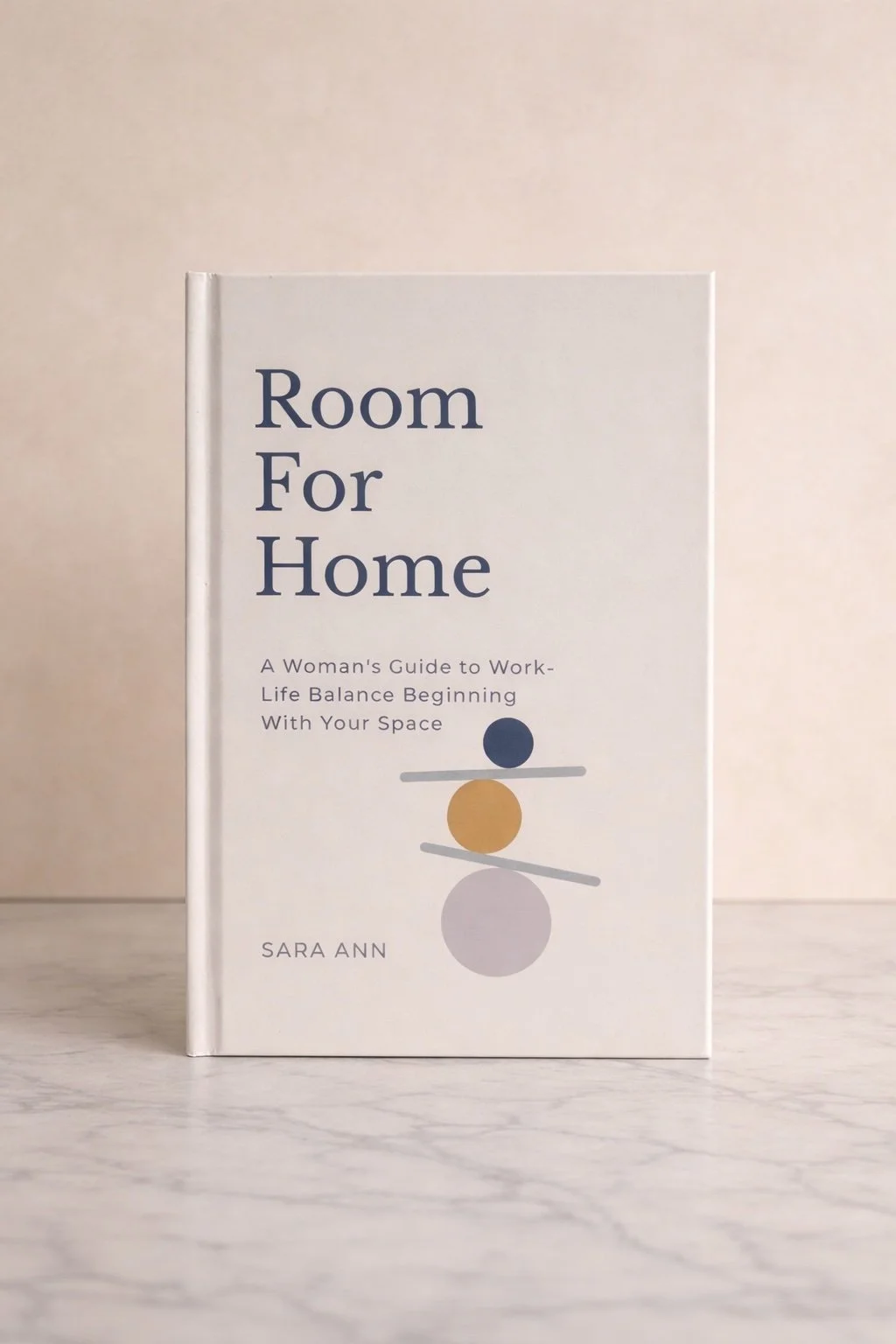
In my book, Room for Home, I focus on small, approachable shifts—home rituals and micro practices that help integrate a new rhythm rather than enforce rigid routines. Some of the most meaningful changes in my own life came from practices that took only a few minutes. For example, before going to bed, I spend a short amount of time resetting the living space and kitchen. I fluff the throw pillows, fold the sofa blankets, and clear the island just enough so that when I wake up, the first thing I see isn’t clutter or mess. That simple act changes how my body steps into the day. Instead of immediately shifting into task mode, there’s room for quiet presence.
Do you feel stretched thin? Managing deadlines, caring for others, juggling endless to-do lists, and trying to maintain a sense of work-life balance?
Maybe you’ve tried self-help books, productivity tools, or new routines to “balance it all,” yet still feel behind.
The truth is that balance feels impossible because what you actually need is alignment.
In Room for Home, wellness designer and life coach Sara Ann invites you to try a gentler approach to overwhelm and burnout. Rather than adding more to your plate or striving for perfection, this tiny book helps you begin where you are—using your home as a supportive, grounding force in daily life.
Inside, you’ll learn how to:
Identify your home’s “energy leaks” contributing to overwhelm and burnout
Reset your space and schedule with simple, sustainable shifts
Use your home as a daily mirror, messenger, and source of clarity
Integrate small home rituals that support calm and intentional living
Replace the pressure of balance with the freedom of alignment
Intentionally small, Room for Home can be read in under an hour, and returned to again and again. Part book, part guided journal, it blends reflection with action to support meaningful, real-life change.
5.5” x 8.5” | 93 pages | Hardcover | Includes blank journal pages
Your purchase directly supports independent author and wellness designer Sara Ann. Printed by Lulu, a Certified B-Corp committed to sustainability and social impact.
These practices are small, but they’re powerful because they compound. Over time, they create a rhythm that feels supportive rather than draining.
I intentionally wrote Room for Home as a tiny book—designed for women who don’t have the time or capacity for something overwhelming. It’s meant to be read in under an hour, revisited often, and written in directly. It’s part reflection, part journal—an invitation to stop chasing balance and begin cultivating alignment through your space and your daily rhythms.
When our homes feel like peaceful places to land, that sense of ease carries into our minds and bodies as well. Support doesn’t have to be extreme or expensive. Sometimes it begins with how we tend to a single room in our home.
If you’re tired of stretching yourself thin, of saying yes to everything before yourself, of feeling like balance is always just out of reach, this work may be helpful for you too. Alignment creates space for intentional shifts that add up over time.
That’s the work I return to again and again. And it’s the work I invite you into.
You can listen to the full podcast episode, The Truth About Work–Life Balance (and How to Fix It), and explore my book, Room for Home: A Woman’s Guide to Work–Life Balance, Beginning With Your Space. If you’re ready for a slower, more supportive way of living, this is a beautiful place to begin.
Prefer to listen?
Listen on Apple Podcasts | Spotify