

Perfectionism and the Struggle to Let Go: Understanding the Metal Element
Some people have a natural appreciation for order. They notice the details others overlook, value quality over quantity, and feel most comfortable when their surroundings and responsibilities have a certain amount of structure. They tend to have high standards, not only for themselves but also for the people and circumstances they allow into their lives.
These qualities can be wonderful strengths, but they can also become sources of frustration when life doesn’t unfold according to plan. The desire for order can become a need for control, and high standards can develop into perfectionism. Even the ability to recognize what no longer serves us can become challenging when we struggle to accept anything that falls short of our expectations.
These are some of the characteristics associated with the Metal element personality, one of the five elemental archetypes rooted in ancient Chinese philosophy.
Within the Five Elements, Metal represents structure, discernment, refinement, and release. It is associated with autumn, when nature begins withdrawing its energy and releasing what is no longer needed. Just as trees shed their leaves in preparation for winter, Metal teaches us something about the importance of letting go.
For someone with a dominant Metal personality, learning to release control may be one of life’s most important lessons.
Understanding the Metal Element
The Five Elements of Wood, Fire, Earth, Metal, and Water are foundational to Feng Shui and traditional Chinese philosophy. Unlike personality systems that assign us a single type, the Five Elements exist within all of us, although we tend to express one or two more prominently than the others.
What makes this system particularly interesting is the relationship between the elements. They move through cycles of creation and control, each influencing the others. When we understand these relationships, we begin to recognize how certain qualities within ourselves can support us or create challenges, depending on how they are expressed.
For example, someone with a strong Wood personality may naturally gravitate toward growth and movement, while someone with a strong Water influence may be more comfortable with reflection and intuition. These qualities can complement one another, and understanding how the elements interact can help us recognize which energies come naturally and which may need more attention.
The same is true for Metal. You may recognize its characteristics within yourself, or perhaps you live or work with someone who expresses strong Metal energy. You may even find that you approach certain areas of your life with considerable Metal influence while expressing an entirely different element elsewhere.
Exploring these personalities offers another perspective through which we can understand our habits, relationships, and responses to life’s circumstances.
When Metal Energy Is in Balance
Someone with balanced Metal energy often has a strong appreciation for structure and organization. They pay attention to details, take their responsibilities seriously, and prefer to spend their time on things they consider meaningful. Quality tends to matter more than quantity, whether they’re choosing something for their home, making a commitment, or deciding how to spend their time.
Metal personalities are often discerning. They have a relatively clear understanding of their values and can recognize when something no longer aligns with them. Rather than continuing to invest energy in situations that feel unnecessary or distracting, they may find it easier than others to establish boundaries and move forward.
There is also an intuitive quality to Metal that can be easy to overlook. Although Metal personalities tend to rely heavily on logic and intellect, they can have a strong internal sense of what feels right for them. When balanced, they combine that intuitive awareness with practical discernment, allowing them to make decisions without becoming overly influenced by the opinions of others.
This independence can sometimes make Metal personalities appear emotionally reserved. They may prefer to process their experiences privately rather than openly discussing every thought or feeling. Their need for personal space is often connected to a desire to maintain clarity within their own minds.
At its best, Metal brings the ability to recognize what deserves our attention and what has simply become unnecessary. It encourages us to appreciate what is valuable without feeling obligated to hold onto everything.
When Metal Energy Becomes Imbalanced
The qualities that make Metal such a powerful influence can become challenging when expressed in excess. Structure can turn into rigidity, discernment into judgment, and personal responsibility into an overwhelming need to control outcomes.
One of the more common patterns associated with imbalanced Metal energy is perfectionism. Someone who naturally pays attention to details may begin feeling that everything needs to be in order before they can move forward. They might spend considerable time refining a project, reorganizing their schedule, or preparing for something they genuinely want to accomplish, yet struggle to actually complete it.
From the outside, they may appear incredibly busy. Their days are filled with responsibilities, and they always seem to have something demanding their attention. But beneath that activity, there may be very little progress toward the things they say they want.
Perfectionism can easily disguise itself as productivity. When we’re uncomfortable with the possibility of making a mistake or falling short of our expectations, it’s tempting to focus on smaller tasks we know we can accomplish. We remain occupied, but the larger decisions and meaningful changes continue to wait.
For someone with strong Metal energy, this can become a frustrating cycle. The desire to do something well can create so much pressure that beginning feels increasingly difficult. Eventually, the structure intended to provide stability becomes the very thing preventing movement.
Imbalanced Metal energy can also show up as disorganization, difficulty focusing, or a sense of stagnation. Although we often associate Metal with efficiency, an excessive attachment to details can make even ordinary decisions feel unnecessarily complicated.
The opportunity for Metal is to recognize when its standards are serving a purpose and when those same standards have become obstacles.
Metal Energy in Relationships
Metal personalities often have high expectations, and those expectations can extend into their relationships. They may value reliability and personal responsibility while finding it difficult to understand why someone else approaches life differently.
When Metal energy is balanced, these qualities can support healthy boundaries and mutual respect. But when it becomes excessive, the desire for order can turn into criticism or emotional detachment.
Someone with strong Metal energy may feel uncomfortable around heightened emotions, particularly when those emotions seem unpredictable or difficult to resolve. Another person’s anger, sadness, or grief may create an internal sense of discomfort, leading the Metal personality to withdraw or attempt to bring the situation back under control.
This can be especially challenging for the person on the receiving end, who may begin feeling that their emotions are unwelcome or that they can never quite meet the expectations being placed upon them. What makes this particularly interesting is that Metal personalities can be just as critical of themselves as they are of others, creating considerable internal pressure even when they appear composed on the outside.
The relationship between Wood and Metal offers an interesting example of how elemental differences can influence our interactions. Wood tends to respond to obstacles with frustration and a desire to address what isn’t working, while Metal may be more inclined to create distance, particularly when a situation no longer feels aligned with its values.
Understanding these tendencies can help us recognize how differently two people may experience the same circumstances. Someone else’s response may feel like a personal rejection when, in reality, they’re simply approaching the situation from a different emotional perspective.
This is one of the reasons the Five Elements can be so useful in understanding relationships. They offer another way to recognize our differences and develop greater compassion for ourselves and the people around us.
Metal, Grief, and the Art of Letting Go
In traditional Chinese medicine, the Metal element is associated with the lungs and large intestine, along with the emotions of grief and sadness. These associations reflect the broader philosophical relationship between the elements, the body, and our emotional experiences.
The symbolism becomes particularly meaningful when we consider Metal’s connection to release. Each breath involves an exchange. We inhale what sustains us and exhale what the body no longer needs. The large intestine performs its own essential process of elimination, releasing what is no longer useful.
Within the Five Elements framework, these natural functions reflect the importance of allowing things to move through us rather than continually holding on.
Emotionally, that process can be more complicated. We may continue revisiting an old disappointment, replaying conversations, or holding onto expectations long after the circumstances surrounding them have changed. Sometimes we become so attached to how we believe something should have unfolded that we struggle to accept what actually happened.
For someone with strong Metal energy, this attachment can be particularly challenging because of the desire for things to make sense and follow a certain order. When life doesn’t meet those expectations, the mind may continue searching for an explanation or resolution that never quite arrives.
Metal invites us to consider whether continuing to hold onto an experience is helping us understand it or simply keeping us connected to something that has already passed.
This doesn’t mean dismissing grief or expecting ourselves to move on before we’re ready. Grief is a natural part of life, and meaningful experiences often require time to process. The invitation is to become aware of the difference between honoring what we’ve experienced and allowing it to determine how we continue living.
Although traditional Chinese medicine associates Metal with particular organs and emotions, these relationships are part of its philosophical framework and shouldn’t be used to diagnose physical symptoms or determine the medical causes of illness.
The Metal Element and Your Home
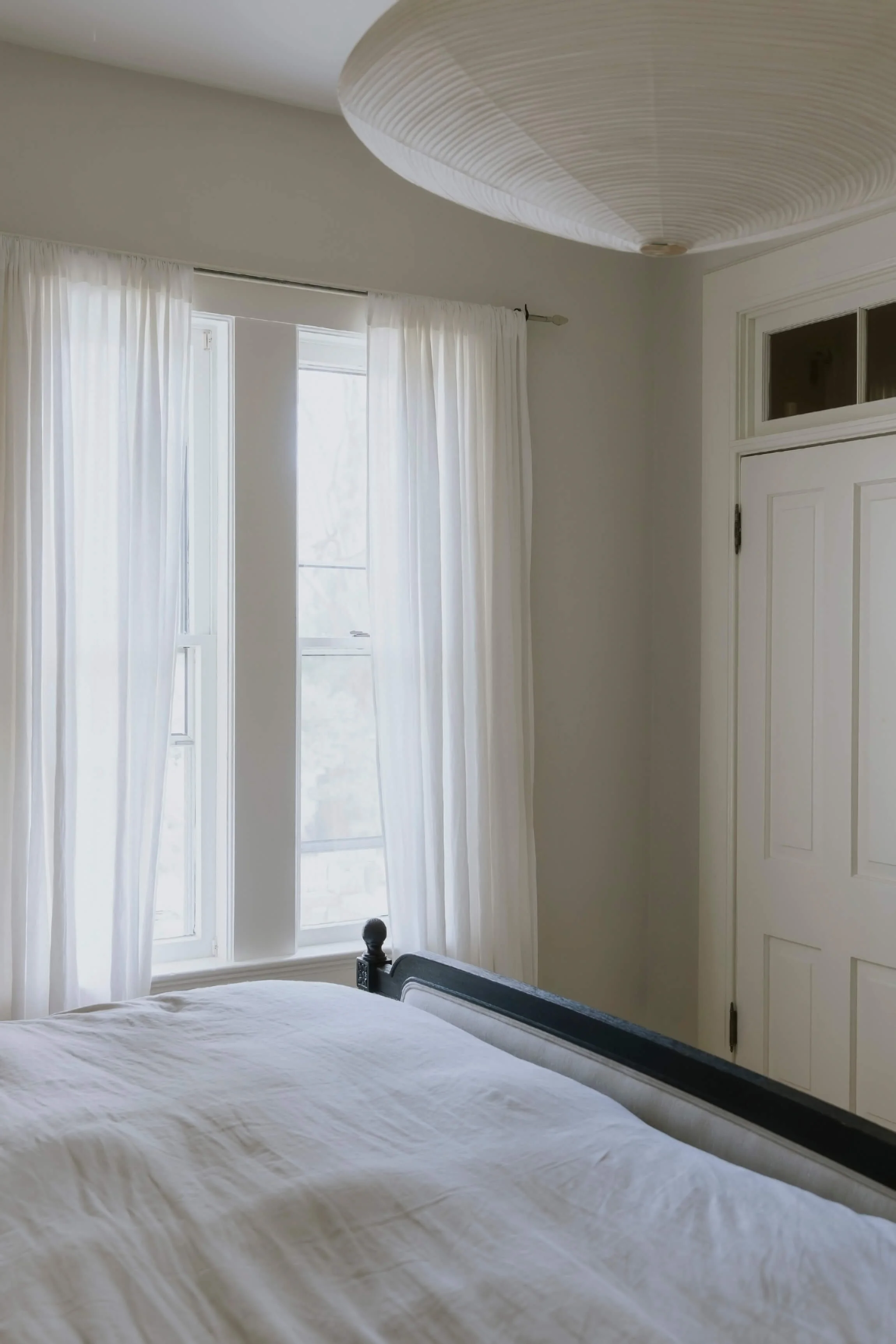
Our homes can offer another way to explore the qualities of Metal. In Feng Shui, Metal is associated with clarity, refinement, and simplicity. It is commonly represented through white and gray tones, rounded shapes, metallic finishes, and objects chosen for their quality and purpose.
Someone with strong Metal energy may naturally appreciate an orderly home with clean surfaces and carefully selected furnishings. They might prefer fewer possessions and feel uncomfortable when their surroundings become visually overwhelming.
But just as Metal can become rigid within our personalities, it can also become excessive within our environments. A home dominated by cool colors, hard surfaces, and very little softness may feel overly controlled or unwelcoming. Conversely, a space filled with unfinished projects or unnecessary belongings may create a sense of distraction for someone who naturally craves order.
The Five Elements offer a way to consider what might help restore balance. Sometimes that means clearing away objects that no longer serve a purpose. Other times, introducing warmer materials or softer textures can help create a more welcoming environment.
Sometimes the adjustment has less to do with the physical space than with our expectations of it. A home that must remain perfectly arranged at all times can become another source of pressure, particularly for someone who already holds themselves to high standards. Learning to allow a little more flexibility in our surroundings can be an opportunity to practice the same flexibility we’re trying to develop within ourselves.
This is one of the connections explored through Mind Body Home. Our environments can reflect the patterns we’re experiencing internally, and becoming more aware of those relationships gives us another way to work with the elements in everyday life.
Finding Balance With Metal
Whether Metal is one of your dominant elements or simply a quality you recognize in certain areas of your life, understanding how it operates can help you develop a healthier relationship with structure and control.
You might begin by noticing where your expectations have become unnecessarily restrictive. Perhaps there’s something you’ve been wanting to accomplish but continue postponing because the circumstances don’t feel quite right. Or maybe you’ve become so accustomed to managing the details of your home or work that you’ve forgotten what it feels like to allow something to unfold without your constant attention.
Consider how often you feel responsible for making sure everything happens according to plan. What would happen if you allowed someone else to approach a situation differently? Could you accept an outcome that was good enough, even if it wasn’t exactly what you envisioned?
For Metal, restoring balance often involves learning to trust that life can continue moving forward without every detail being controlled. It may also mean developing a greater willingness to experience emotions without immediately trying to dismiss them, particularly when we’re accustomed to relying on logic and control.
Having standards can help us recognize what we value and establish healthy boundaries. The challenge comes when we become so attached to those standards that we struggle to adapt when circumstances change, or are outside of our control.
Metal’s relationship with autumn offers a reminder that every season has its own purpose. There comes a time when energy begins turning inward and what is no longer needed is released.
We experience similar transitions throughout our lives. Relationships change, priorities evolve, and circumstances that once felt familiar may no longer reflect who we’re becoming. Releasing those attachments can be difficult, particularly when we’ve invested considerable energy in maintaining them.
The Metal element reminds us that letting go is its own form of wisdom. When we begin releasing the expectations and attachments that no longer serve us, we create more room for the experiences and relationships that reflect who we are today.
Exploring the Five Elements Through Seasonal Alignment
Although we may naturally identify with certain elemental personalities, the Five Elements are continually influencing one another. Each contains both yin and yang qualities, and their expression can shift depending on our circumstances and the seasons we’re moving through.
This is one of the reasons I enjoy working with the elements as a seasonal practice. As we become more familiar with their qualities, we begin recognizing opportunities to work with them throughout the year. Autumn’s Metal energy, for example, invites all of us to consider what we’re ready to release, regardless of which elements are most prominent in our personalities.
Through a Seasonal Alignment Practice, we explore these relationships as the seasons change, using the Five Elements to develop a more personal understanding of ourselves and the environments we inhabit. It’s an opportunity to bring the philosophy into everyday life through Mind Body and Home.
Continue Exploring Mind Body Home™
If you’d like to explore how the Five Elements influence your personality and the spaces you inhabit, you may also enjoy: