

Why You Crave Solitude and Prefer a Quieter Life: Understanding the Water Element
Some people seem to experience the world a little differently. They spend considerable time reflecting on their experiences and often feel more comfortable observing than participating in the activity around them. They may be quiet in a crowded room but come alive during a meaningful conversation with someone they trust.
These individuals tend to have rich inner worlds. They are curious about human behavior, drawn to creative expression, and often seek a greater understanding of themselves and the world around them. While others may be eager to take action, they prefer to consider the possibilities before deciding what comes next.
These are some of the characteristics associated with the Water element personality, one of the five elemental archetypes rooted in ancient Chinese philosophy.
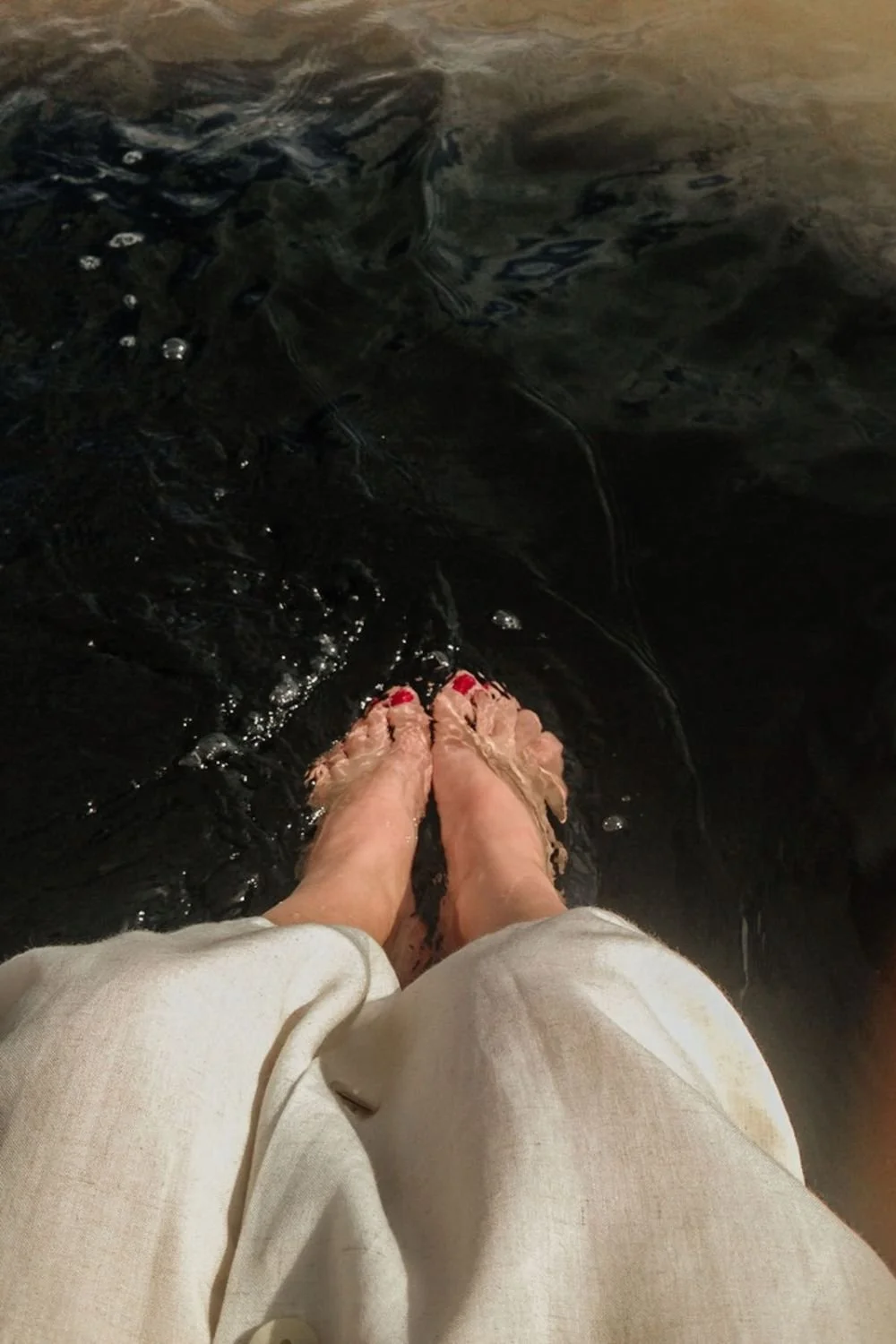
Within the Five Elements, Water represents intuition, wisdom, introspection, and the unknown. It is associated with winter, when nature becomes quieter and much of its activity takes place beneath the surface. Although the landscape may appear dormant, important processes are still unfolding, preparing the natural world for another season of growth.
For someone with a dominant Water personality, learning to trust their inner wisdom while finding the courage to move beyond what feels familiar can be one of life’s most meaningful lessons.
Understanding the Water Element Personality
The Five Elements of Wood, Fire, Earth, Metal, and Water are foundational to Feng Shui and traditional Chinese philosophy. Unlike personality systems that assign us a single type, the Five Elements exist within all of us, although we tend to express one or two more prominently than the others.
What makes this system particularly interesting is the relationship between the elements. They move through cycles of creation and control, each influencing the others. When we understand these relationships, we begin to recognize how certain qualities within ourselves can support us or create challenges, depending on how they are expressed.
Water is considered the most yin of the five elements. Yin energy is associated with stillness, receptivity, and the inward movement of energy. In nature, we see this expressed through the depths of the ocean, the darkness of night, and the quiet of winter.
Water also nourishes Wood within the Five Elements’ creative cycle. Just as water supports the growth of plants and trees, the reflective qualities of Water can help nourish the ideas and intentions that eventually develop into action.
You may recognize Water’s characteristics within yourself, or perhaps you live or work with someone who expresses strong Water energy. You may also find that Water becomes particularly prominent during certain periods of your life, even if it isn’t your dominant element.
When Water Energy Is in Balance
Someone with balanced Water energy often has a strong appreciation for solitude and reflection. They enjoy spending time alone and may feel most comfortable in environments where they can think without interruption. Rather than seeking constant activity or social interaction, they prefer to move through life at a pace that allows them to fully experience and understand what is happening around them.
Water personalities are often philosophical. They are curious about human behavior and may spend considerable time contemplating why people think, feel, and behave as they do. They tend to enjoy reading and meaningful conversations, particularly with people who share their interest in exploring ideas beyond the surface.
Although Water personalities may appear reserved in group settings, they can be surprisingly playful with the people they trust. Their humor and creativity often emerge most naturally in relationships where they feel comfortable enough to express themselves without judgment.
Creativity is another prominent quality of Water. These individuals may be drawn to writing, music, the arts, or work that allows them to explore ideas and express their imagination. They often have an intuitive understanding of possibilities that others haven’t yet considered, making them valuable contributors during the early stages of a project.
Water personalities also tend to be patient. They are comfortable allowing things to unfold in their own time and may resist being rushed into decisions or commitments. In a world that often rewards speed and constant activity, Water offers a different perspective on what it means to make progress.
At its best, Water reminds us that meaningful growth often begins with reflection. By allowing ourselves time to consider our experiences and listen to our intuition, we can develop a greater understanding of what we genuinely want before deciding how to pursue it.
When Water Energy Becomes Imbalanced
The qualities that make Water such a valuable influence can become challenging when expressed in excess. Reflection can turn into overthinking, solitude into isolation, and patience into an unwillingness to take action.
One of the more common patterns associated with imbalanced Water energy is fear. In traditional Chinese philosophy, fear is the emotion connected to Water, and it can influence how someone approaches uncertainty or unfamiliar circumstances.
A person with excessive Water energy may become preoccupied with what could go wrong. They might worry about how others perceive them, hesitate to pursue new opportunities, or imagine unfavorable outcomes before anything has happened. Even situations that once felt manageable can begin to seem overwhelming when fear becomes the primary influence behind their decisions.
Because Water personalities spend considerable time in their own thoughts, they may also struggle to recognize when reflection has become rumination. What begins as an attempt to understand a situation can develop into repeatedly examining the same concerns without reaching a resolution.
Over time, this can contribute to a sense of stagnation. Someone may have wonderful ideas and a clear vision for what they want to create, yet struggle to move beyond the planning stage. They enjoy imagining the possibilities but feel less comfortable with the practical responsibilities required to bring those ideas into reality.
This can become particularly noticeable in work environments. A Water personality may thrive during creative discussions, offering original perspectives and imaginative solutions, but lose interest when the project shifts toward execution and managing details.
Although solitude is naturally restorative for Water personalities, excessive isolation may leave them feeling disconnected from the people and experiences that could provide support.
The opportunity for Water is to recognize when time spent looking inward is helping them develop clarity and when it may be preventing them from participating more fully in life.
Water Energy in Relationships
Water personalities often prefer meaningful one-on-one connections over large social gatherings. They may have a relatively small circle of close relationships and feel little need to maintain a busy social calendar.
Because they are naturally reflective, they appreciate conversations that explore emotions, personal experiences, and the deeper questions of life. Their sensitivity can also make them perceptive companions, noticing subtle changes in another person’s mood before those feelings have been expressed openly.
However, this sensitivity can create challenges when Water energy becomes imbalanced. Someone who is already inclined toward fear or insecurity may begin questioning how others feel about them or interpreting ordinary changes in behavior as signs of rejection. Rather than addressing those concerns directly, they may withdraw further into their thoughts.
Water’s slower pace can also create tension with personalities that are naturally more action-oriented. Wood and Fire, for example, tend to appreciate movement and momentum. They may become frustrated when Water needs additional time to reflect before making a decision.
Understanding these elemental differences can help us recognize that people have different ways of processing their experiences. Someone who needs more time to consider a decision isn’t necessarily avoiding responsibility, just as someone who prefers to act quickly isn’t necessarily being impatient.
The Five Elements offer another way to appreciate these differences and develop greater understanding within our relationships.
Water, Fear, and the Wisdom of Stillness
In traditional Chinese medicine, the Water element is associated with the kidneys and bladder, along with the emotion of fear. These associations reflect the broader philosophical relationship between the elements, the body, and our emotional experiences.
The symbolism becomes particularly interesting when we consider Water’s relationship with movement and flow. Water can be calm and reflective, but it can also become stagnant when its natural movement is restricted.
Emotionally, we may experience something similar when fear prevents us from moving forward. We become so focused on protecting ourselves from uncertainty that we begin avoiding experiences that could help us grow. Yet fear isn’t always an indication that something is wrong. Sometimes it simply accompanies an unfamiliar experience or a period of transition.
Water invites us to become more comfortable with the unknown and recognize that we don’t always need immediate answers. This is especially relevant during periods when our circumstances are changing. We may find ourselves questioning familiar relationships, reconsidering our priorities, or feeling uncertain about what comes next.
These experiences can feel uncomfortable, particularly when we’re accustomed to having a clear direction. But within the Five Elements, Water represents the period of reflection that often precedes a new cycle of growth.
There was a period in my own life when I was experiencing a great deal of Water energy, although I didn’t recognize it at the time. I was transitioning away from a long corporate career and beginning to explore a different direction for my work. I had become increasingly interested in personal development, spirituality, and understanding myself on a much deeper level. From the outside, it probably appeared that I was making exciting changes and moving confidently toward something new. Internally, however, I often felt uncertain about where I belonged and what this next chapter of life would look like.
During that time, I found myself withdrawing from certain relationships and questioning things I had previously taken for granted. Although I was making changes externally, much of the work was happening within. When I first began studying the Five Elements, I assumed Water must be my dominant personality because its characteristics resonated so strongly with what I was experiencing. It wasn’t until later that I recognized Wood as my dominant element, with Water as a secondary influence. I had been moving through a particularly strong Water season of life.
Looking back, I can appreciate how much that period of uncertainty helped me understand myself. What felt uncomfortable at the time was also creating space for a different direction to emerge. The element we’re experiencing most strongly in a particular season of life may be different from the one that comes most naturally to us.
We can see this same process reflected in nature. During winter, much of the activity that supports future growth takes place beneath the surface, beyond what we can immediately observe. Our lives can move through similar periods, when reflection and uncertainty are part of preparing for something we haven’t yet fully imagined.
Although traditional Chinese medicine associates Water with particular organs and emotions, these relationships are part of its philosophical framework and shouldn’t be used to diagnose physical symptoms or determine the medical causes of illness.
The Water Element and Your Home
Our homes can offer another way to explore the qualities of Water. In Feng Shui, Water is associated with depth, reflection, and fluidity. It is commonly represented through dark blue and black tones, flowing shapes, reflective surfaces, and imagery or objects that evoke the movement of water.
Someone with strong Water energy may naturally gravitate toward quiet, private spaces. They might prefer softer lighting, darker interiors, or rooms that feel sheltered from the activity of the outside world.
These environments can be comforting, particularly for someone who needs solitude to restore their energy. However, just as Water can become excessive within our personalities, it can also become overwhelming within our homes.
A home with very little natural light, heavy window coverings, or limited connection to the outdoors may reinforce a desire to withdraw. Clutter can also become a challenge, particularly when someone is more comfortable exploring ideas than managing the practical details of their environment.
Water personalities may be relatively unbothered by belongings that have accumulated over time, even when those same surroundings feel overwhelming to other members of the household.
The Five Elements offer a way to consider what might help restore balance. When Water energy feels excessive, Earth can provide a sense of grounding and stability. In the home, this might involve introducing natural materials, warmer neutral tones, or creating more intentional places for everyday belongings.
Allowing natural light and fresh air into the home can also help create a greater sense of connection to the outside world, particularly when the environment has begun to feel overly enclosed.
Sometimes the adjustment is simply recognizing when a space that once felt comforting has become a place to hide from the world.
This is one of the connections explored through Mind Body Home. Our environments can reflect the patterns we’re experiencing internally, and becoming more aware of those relationships gives us another way to work with the elements in everyday life.
Finding Balance With Water
Whether Water is one of your dominant elements or simply a quality you recognize during certain periods of your life, understanding how it operates can help you develop a healthier relationship with reflection and action.
You might begin by considering how much time you spend thinking about what you want compared with the time you spend moving toward it. Are there ideas you’ve been holding onto because you’re uncertain how they will unfold? Have you been waiting for a greater sense of confidence before allowing yourself to begin?
For Water, restoring balance often involves learning to trust that uncertainty is a natural part of growth. Reflection can help us develop clarity, but eventually there comes a point when we need to allow our ideas to move beyond the imagination and into the world.
At the same time, those who naturally express stronger Wood or Fire energy may benefit from cultivating more Water. When we’re accustomed to constant movement, the idea of slowing down can feel uncomfortable. Yet without opportunities for reflection and restoration, we may continue pursuing goals that no longer reflect what we genuinely want.
Water reminds us that rest and stillness have their own purpose. By honoring our need for reflection while remaining open to new experiences, we can develop greater trust in our own timing and a willingness to move forward, even when the path isn’t entirely clear.
A Deeper Understanding of the Five Elements
The Five Elements encompass a much broader philosophy than any single personality description can capture. Each element contains both yin and yang qualities, and its expression can change depending on how it interacts with the other elements and the circumstances of our lives. The characteristics explored here represent one perspective on Water, with an emphasis on its relationship to intuition, fear, and stillness.
This is also why working with the elements seasonally can be so valuable. Rather than viewing them only as personality traits, we can begin to recognize their influence throughout the natural cycles of the year and explore how their qualities might support us during different seasons of life.
Inside Seasonal Alignment Practice, we explore these relationships through the changing seasons, using the Five Elements as a framework for greater awareness and intentional living. The practice offers an opportunity to develop a more personal understanding of each element and how its energy may be expressed through Mind Body Home.
Continue Exploring Mind Body Home™
If you’d like to explore how the Five Elements influence your personality and the spaces you inhabit, you may also enjoy:
The Earth Element Personality